Measure a route in days, not map pins
Ireland invites ambitious road-trip lists, but a route that covers every famous stop can leave little time to enjoy them. Choose a few areas and allow space for scenic pauses, a longer lunch, or an unexpected village visit. Shorter distances do not always mean quick driving.
Choose your transportation comfort level
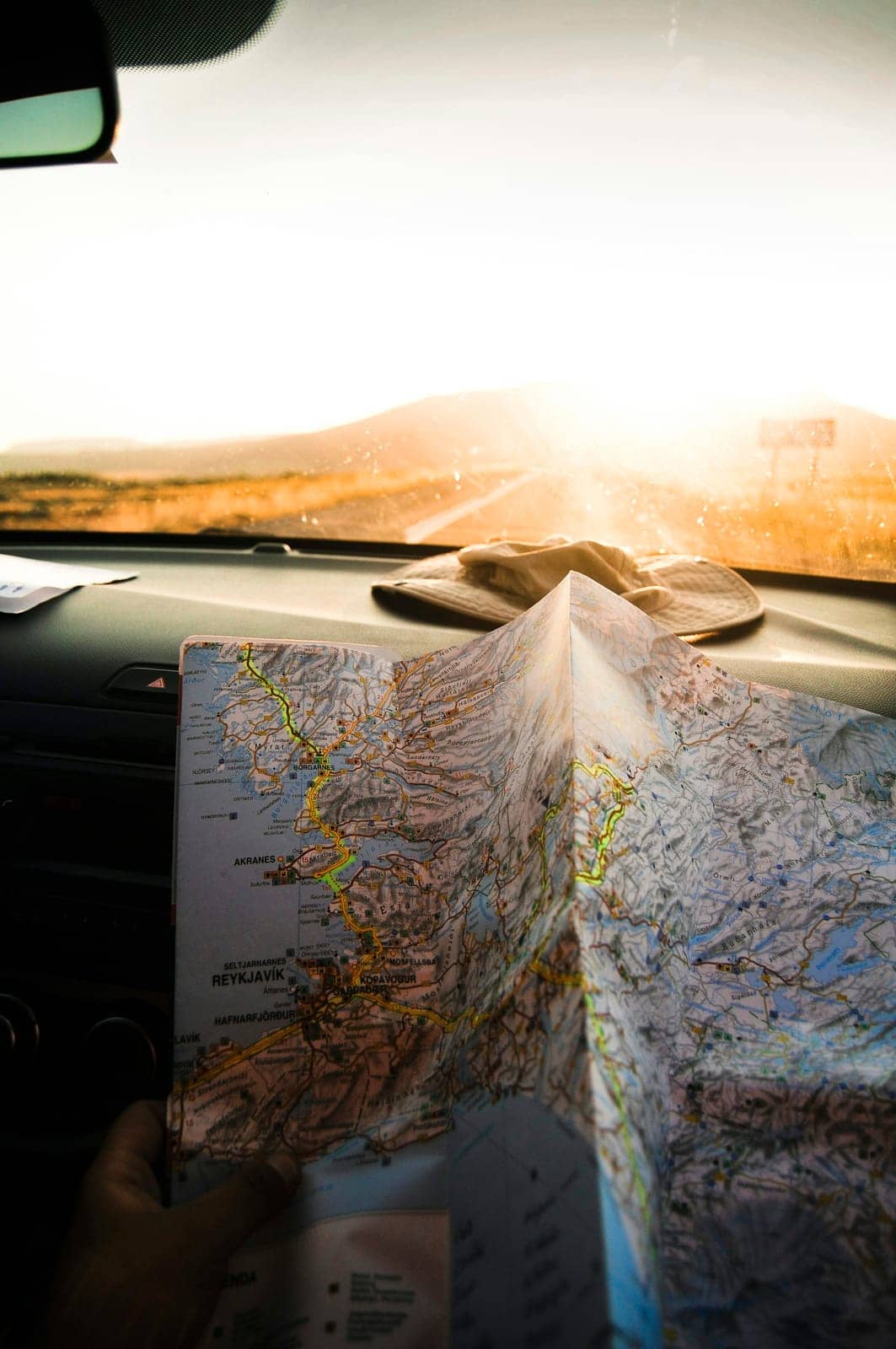
Independent driving, guided touring, and arranged transfers create different trips. Think honestly about road confidence, navigation, parking, and whether everyone wants to participate in driving. The right choice should make the vacation more comfortable, not simply appear independent.
Use overnight bases strategically
Staying several nights in one area can reduce packing and allow weather-dependent plans to move around. A different hotel every night may suit a fast-paced traveler, but it adds repeated check-in and luggage routines. Group outings by geography rather than crossing the same ground several times.
Keep the plan adaptable
Outdoor scenery and walking are sensitive to conditions, so include indoor interests and flexible days. Share family-history connections, landscape priorities, and accommodation preferences with Shealey. Those details help create a route with a personal reason for each stop instead of a generic lap of the island.
Compare your starting points
Dublin and a second base. Consider this for a first trip with city time and regional exploring. A small number of bases keeps packing and driving manageable.
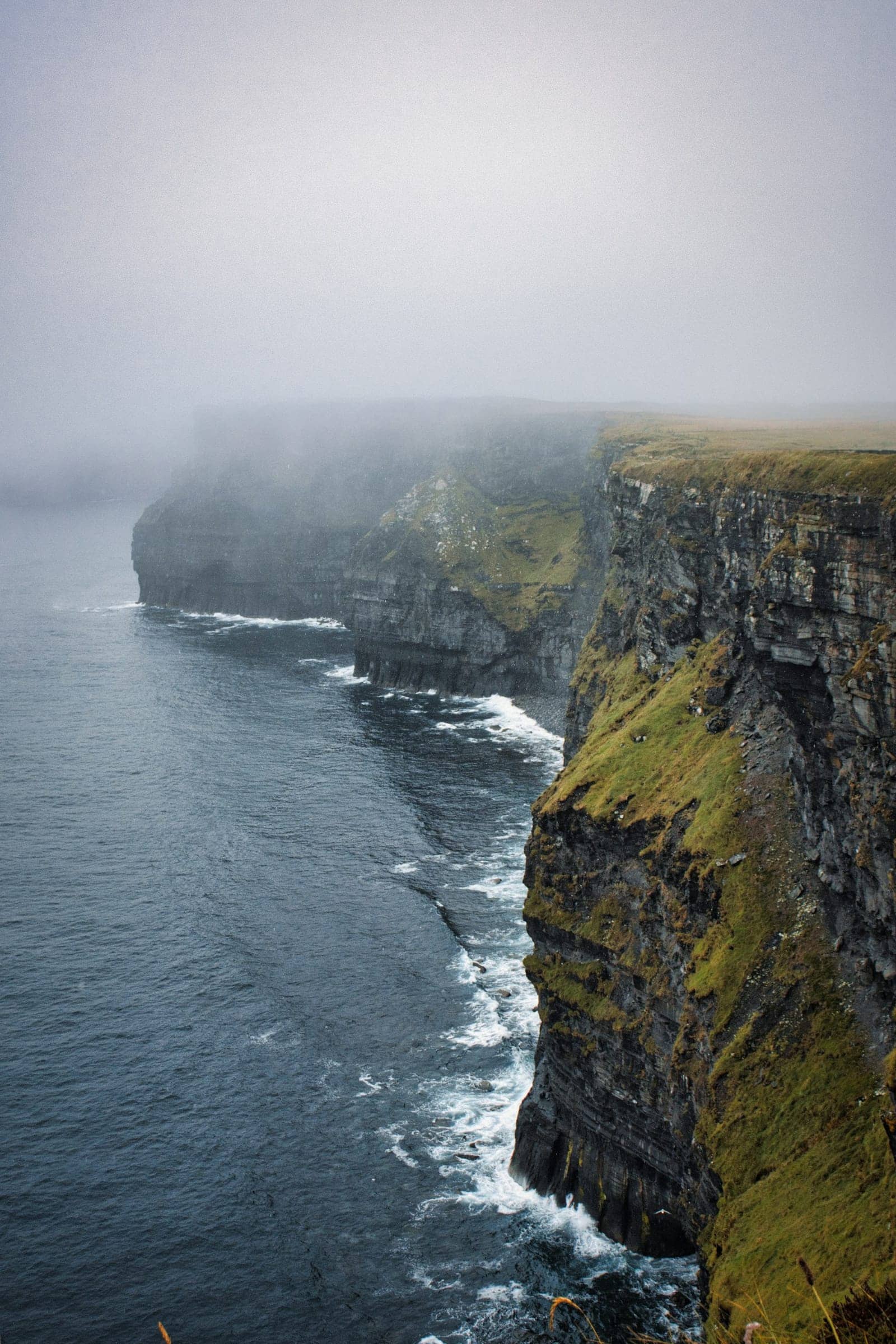
The west. Explore a route built around a particular stretch of coast or countryside. Avoid treating every scenic peninsula as an essential stop.
A guided itinerary. Discuss this when scenery matters but driving does not appeal. Compare the pace, hotel changes, and amount of free time.
Choose dates around your priorities
A good plan leaves room for changeable conditions and daylight differences. If scenery and outdoor exploring are central, compare how much driving you are comfortable doing each day and keep indoor alternatives. Confirm the opening arrangements of smaller attractions and properties for the dates you choose.
A trip rhythm to make your own
An eight-night outline could include a city stay and two regional bases, with travel days kept relatively light. Choose one principal scenic focus each day. A route that looks short by mileage can be tiring when it involves unfamiliar roads, frequent stops, and changing weather.
Where to put the budget
Compare a self-drive plan with a guided trip using all the pieces: vehicle, parking, fuel, accommodation, and any activities. Larger groups need to account for luggage capacity as well as seats. A countryside hotel is only convenient when it fits the evening dining and driving plan.
Questions worth settling before you book
Ask what driving responsibilities the route creates, how luggage will be handled, and whether the accommodation has suitable access. Keep a wet-weather alternative for outdoor days and allow the scenery to dictate a flexible pace.
These are planning examples, not a fixed tour or a quote. Share your dates, travelers, and priorities to turn the outline into a trip that fits.
Planning references & further reading
Official resources for destination details and current information. Confirm time-sensitive arrangements for your dates before booking.
Ireland official visitor information