Choose an island before choosing a resort
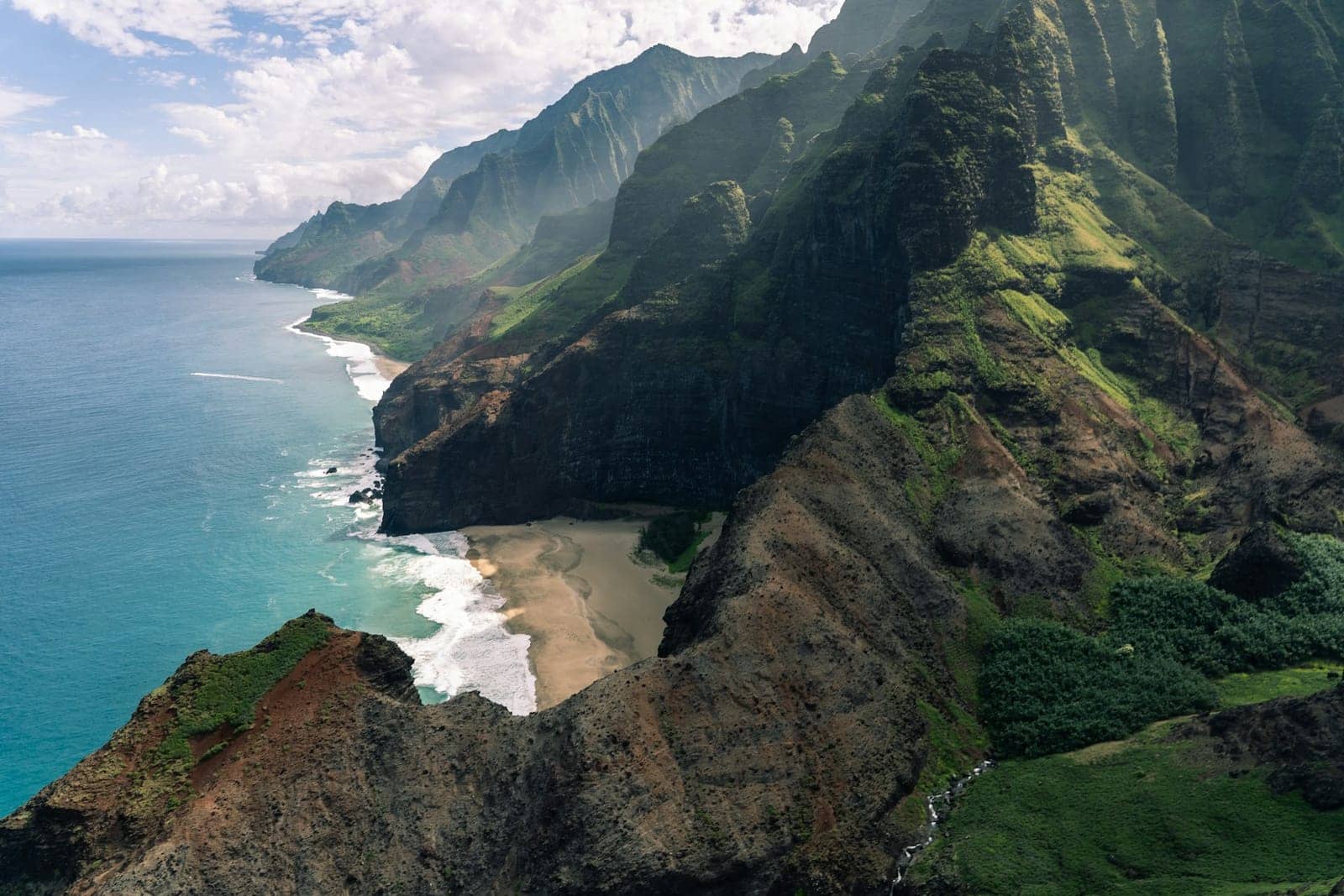
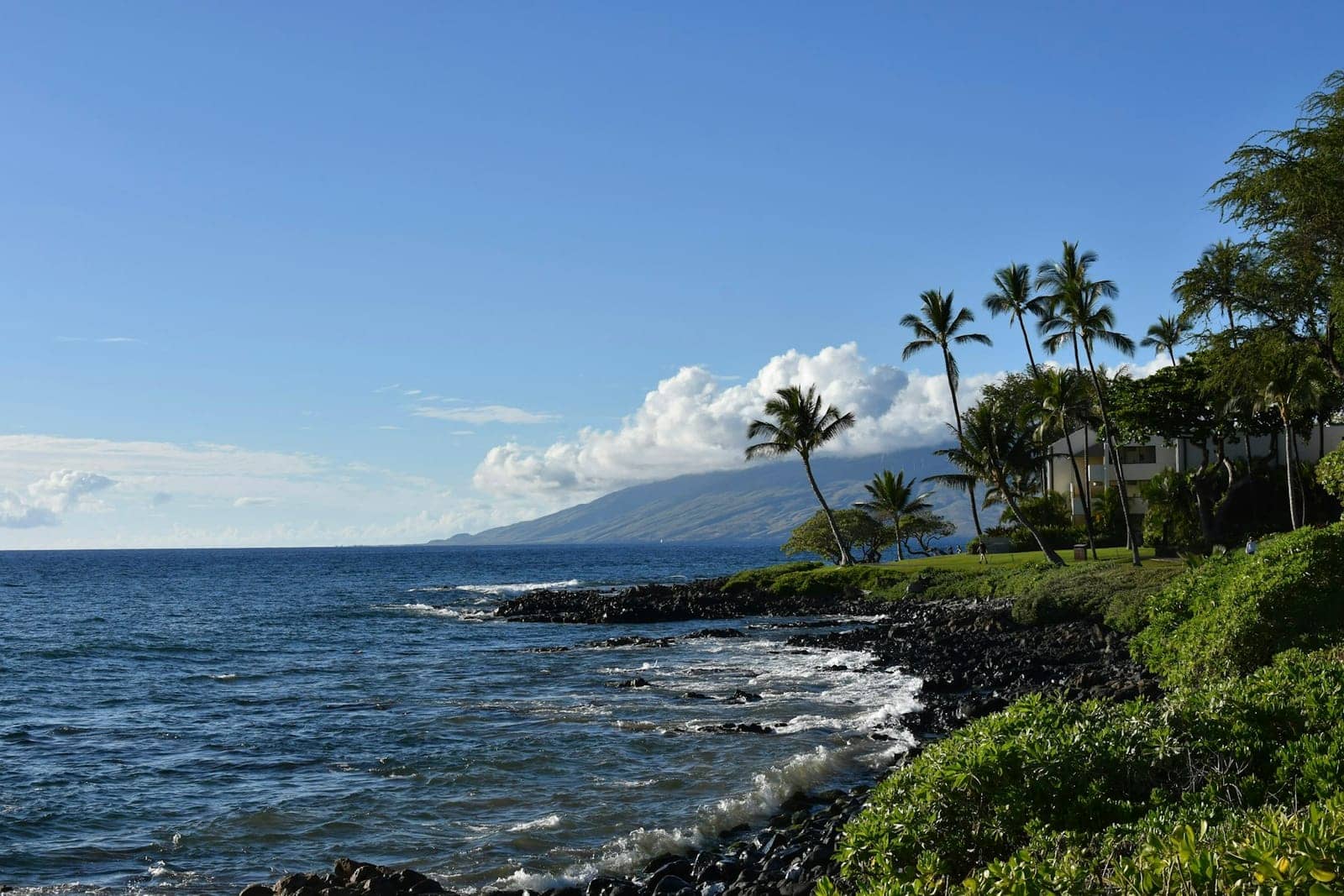
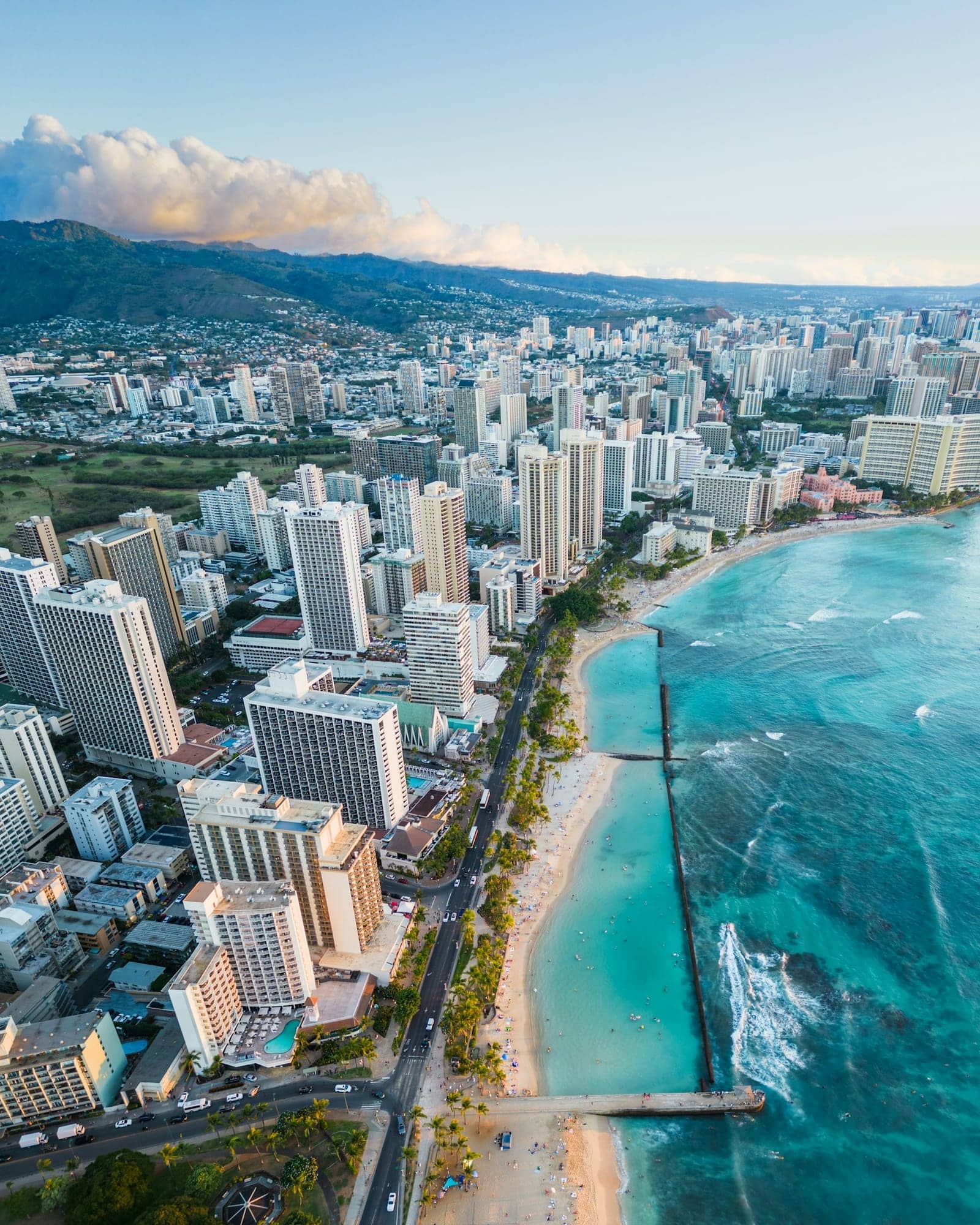
Hawaii is not one interchangeable beach destination. Oahu, Maui, and Kauai offer different combinations of urban access, resort areas, scenery, and outdoor experiences. Start with what you want to do rather than selecting an island only because you recognize its name.
One island can be enough
Island hopping adds packing, airport time, rental-car changes, and another accommodation transition. For a shorter trip, a single well-chosen island can provide more enjoyable time on the ground. Add a second island when it offers a distinct experience you have enough days to appreciate.
Plan the practical pieces together
Accommodation location, vehicle needs, parking, meals, and activities all affect the budget. Confirm current access and reservations for the places you want to visit. Respect closures, local guidance, and places that are not open to visitors; a saved photo is not permission to enter.
Make room for a slower pace
Choose a few meaningful experiences and leave time for the coast, local food, and rest. Share your interests, traveler ages, and preferred activity level with Shealey. Compare Maui, Oahu, and Kauai to find your starting point.
Compare your starting points
Oʻahu. Consider this when a mix of city services, dining, beaches, and sightseeing appeals. Compare Waikīkī with other bases according to your intended outings.
Maui or Kauaʻi. Explore the island whose landscapes and daily rhythm best fit your plans. Both deserve more than a brief stop added to collect another island name.
One island versus two. Discuss this according to nights on the ground. An inter-island flight still involves checkout, airport time, luggage, and another hotel arrival.
Choose dates around your priorities
Choose dates alongside the specific island and activities. Ocean conditions can vary by shoreline and season, while accommodation demand follows more than weather alone. If the trip centers on a particular activity, check its seasonal availability and access requirements with the relevant official source or operator.
A trip rhythm to make your own
For seven nights, one island allows a beach day, several outings, and genuine downtime. A longer trip may support two islands with distinct purposes. Put the most driving-intensive day between quieter ones and avoid scheduling an early activity immediately after a late mainland arrival.
Where to put the budget
Compare rooms, resort charges, parking, rental vehicles, meals, and planned experiences as one budget. A kitchen can be useful for a family routine, while a walkable location may reduce vehicle use. Choose upgrades according to how you will spend your days, not simply the room’s marketing label.
Questions worth settling before you book
Ask about the arrival airport, required activity reservations, hotel parking, and the practical route to the beach. Ocean conditions vary; use current local guidance for swimming and water activities. Respect closures and choose operators whose access and safety arrangements suit your group.
These are planning examples, not a fixed tour or a quote. Share your dates, travelers, and priorities to turn the outline into a trip that fits.
Planning references & further reading
Official resources for destination details and current information. Confirm time-sensitive arrangements for your dates before booking.
Hawaii official visitor information