Choose a route with a reason
Italy rewards a trip with a clear focus. Rome, Florence, and Venice can form a classic city journey, while a coastal stay or countryside retreat changes the pace. Write down what draws you to each place. If two stops serve the same purpose, keeping just one can make the trip richer.
Treat hotel moves as real commitments
Train connections can simplify travel between major cities, but station transfers, luggage, and check-in still take time. Rural stays and coastal bases may need a different transportation plan. Avoid choosing every hotel independently before deciding how the full route works.
Mix reservations with wandering
Book the experiences that would be disappointing to miss, then leave space for neighborhoods, meals, and unexpected discoveries. A museum-heavy itinerary can become tiring even for enthusiastic art lovers. Check current admission arrangements rather than assuming you can walk into every major sight.
Use the season to refine the plan
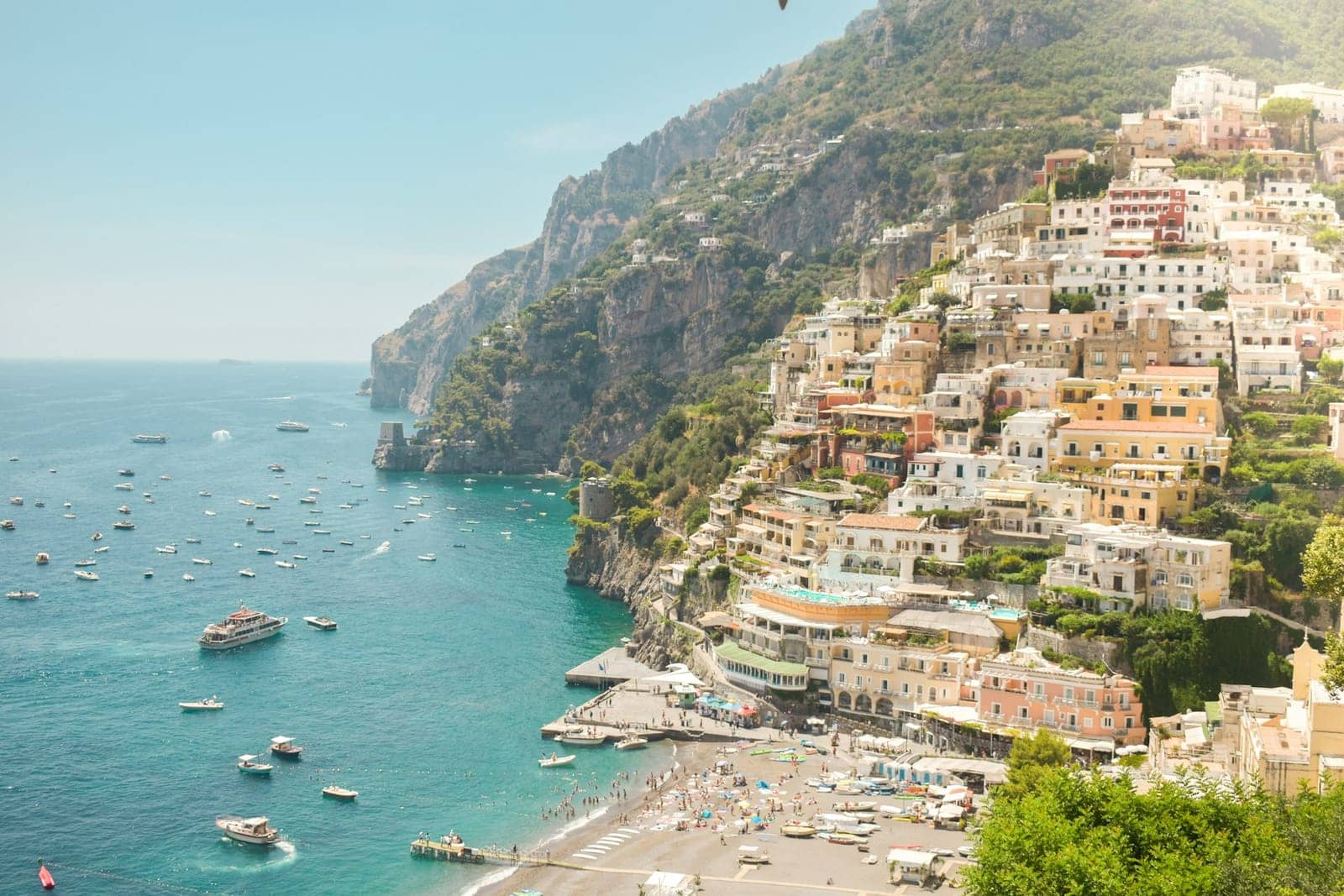
Summer city touring and a quieter-season trip call for different daily rhythms. Coastal services can also vary outside busy periods. Share your preferred dates, travel pace, and budget with Shealey; compare Amalfi Coast planning if seaside time is central to the journey.
Compare your starting points
Rome and Florence. A useful pairing for travelers focused on art, architecture, and city life. Compare the amount of walking and the days you want for individual sights.
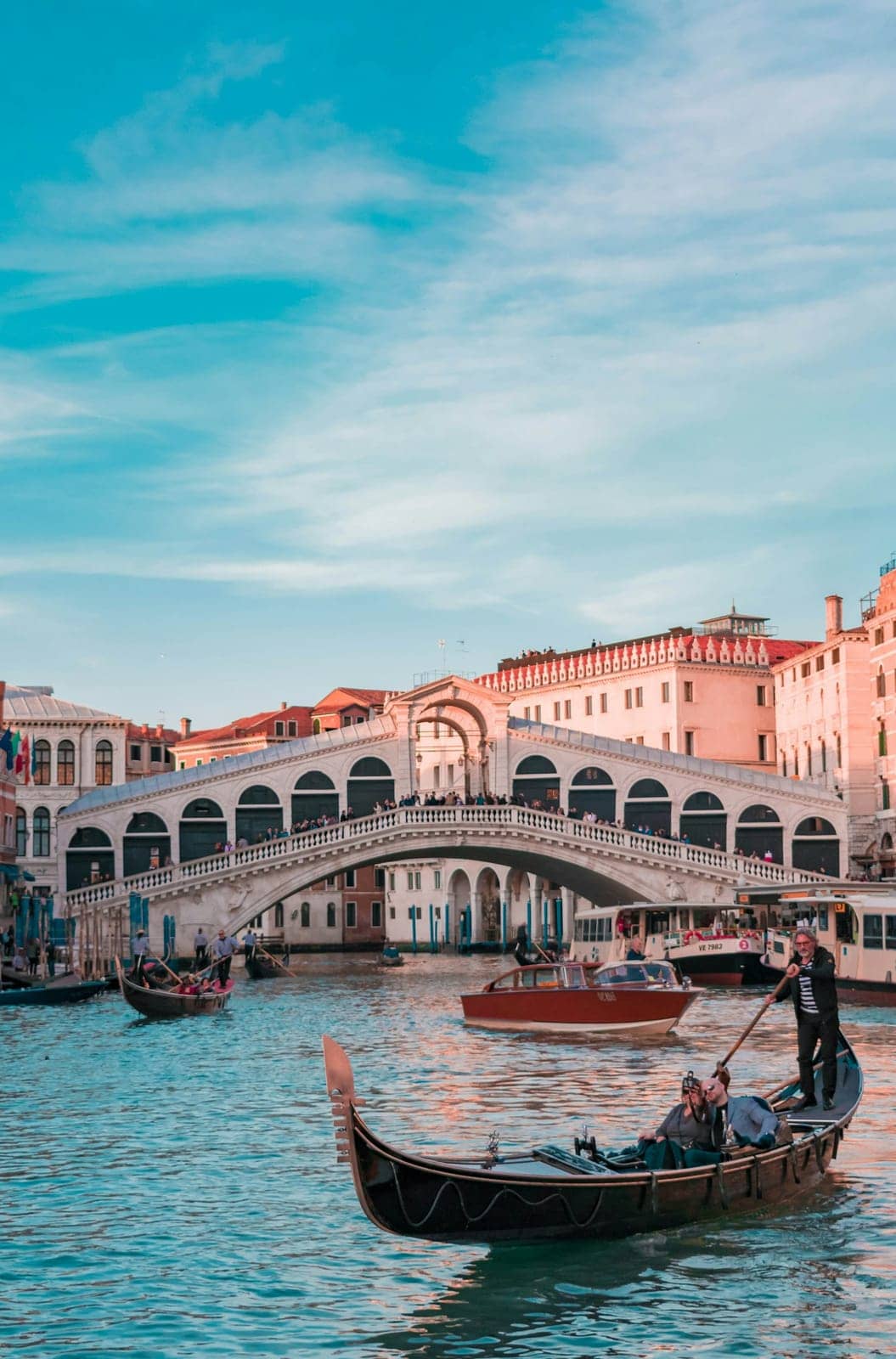
Venice and northern Italy. Explore this when a different city-and-region combination fits your interests. Plan the arrival and luggage logistics for each base.
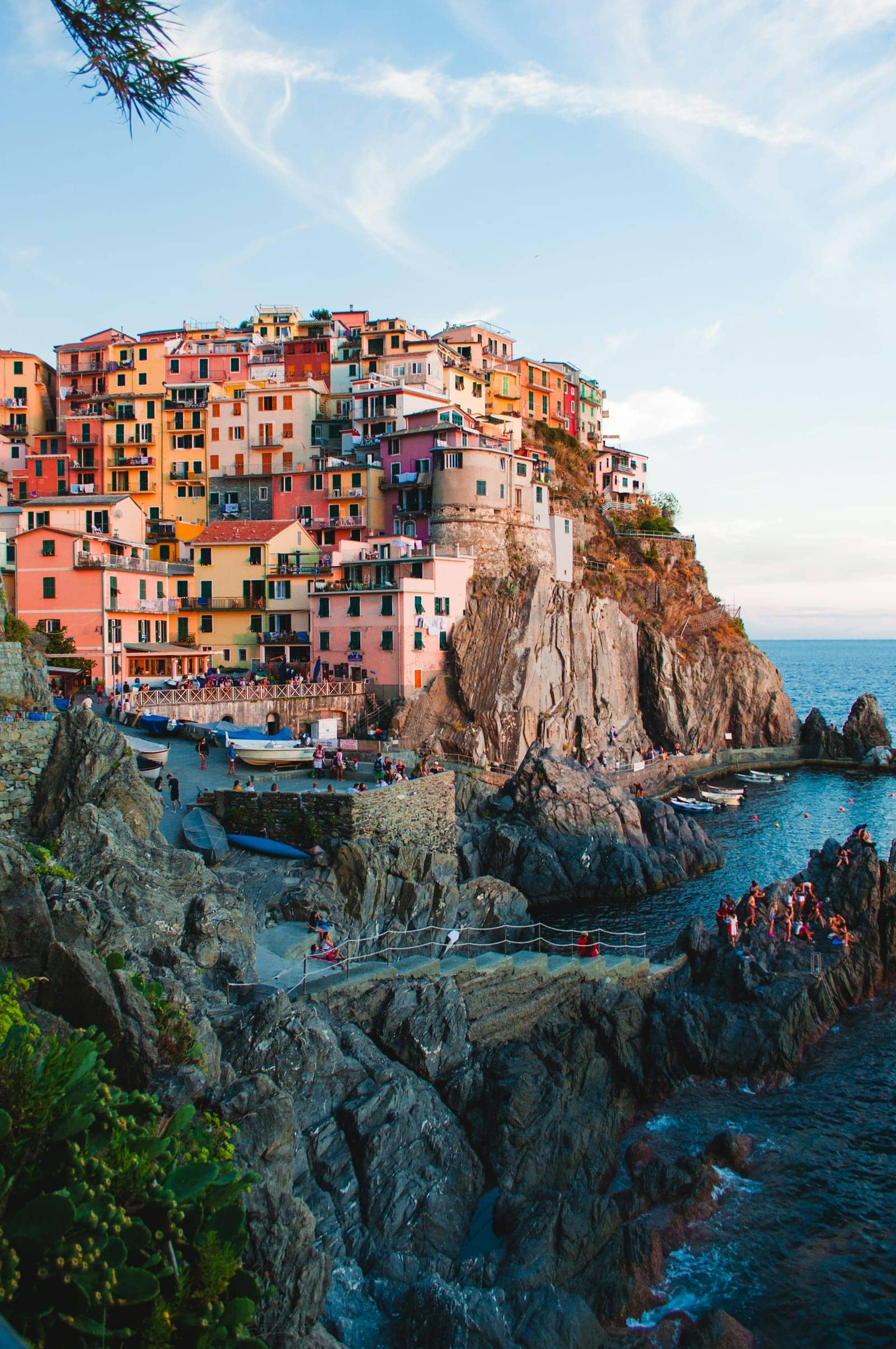
A coastal or countryside stay. Add this when a slower finish matters. Choose one region that fits the route rather than attaching a distant coast simply because its photograph is appealing.
Choose dates around your priorities
City sightseeing, countryside touring, and a coastal stay have different seasonal needs. Warm busy periods can make long outdoor days more tiring, while quieter periods may reduce some coastal services. Choose the route and dates together, and confirm the experiences you care about before planning the surrounding transfers.
A trip rhythm to make your own
For a first nine-night outline, consider three bases at most, with enough time in each for arrival, a major experience, and an unstructured day. A two-base trip can be even more rewarding. Count nights on the ground; an overnight flight does not provide another usable sightseeing day.
Where to put the budget
Central accommodation can reduce repeated transportation and make an afternoon break practical. Balance that benefit against room size and neighborhood atmosphere. Add timed-entry visits, local transportation, and station transfers before comparing a compact itinerary with one that requires several additional moves.
Questions worth settling before you book
Ask about hotel access, elevators, luggage handling, and arrival times. If a museum, food experience, or coastal boat day is a must-have, establish its place in the plan early. This is a starting outline to customize, not a promise of reservations or availability.
These are planning examples, not a fixed tour or a quote. Share your dates, travelers, and priorities to turn the outline into a trip that fits.
Planning references & further reading
Official resources for destination details and current information. Confirm time-sensitive arrangements for your dates before booking.
Italy official visitor information