Think about the scale of the experience
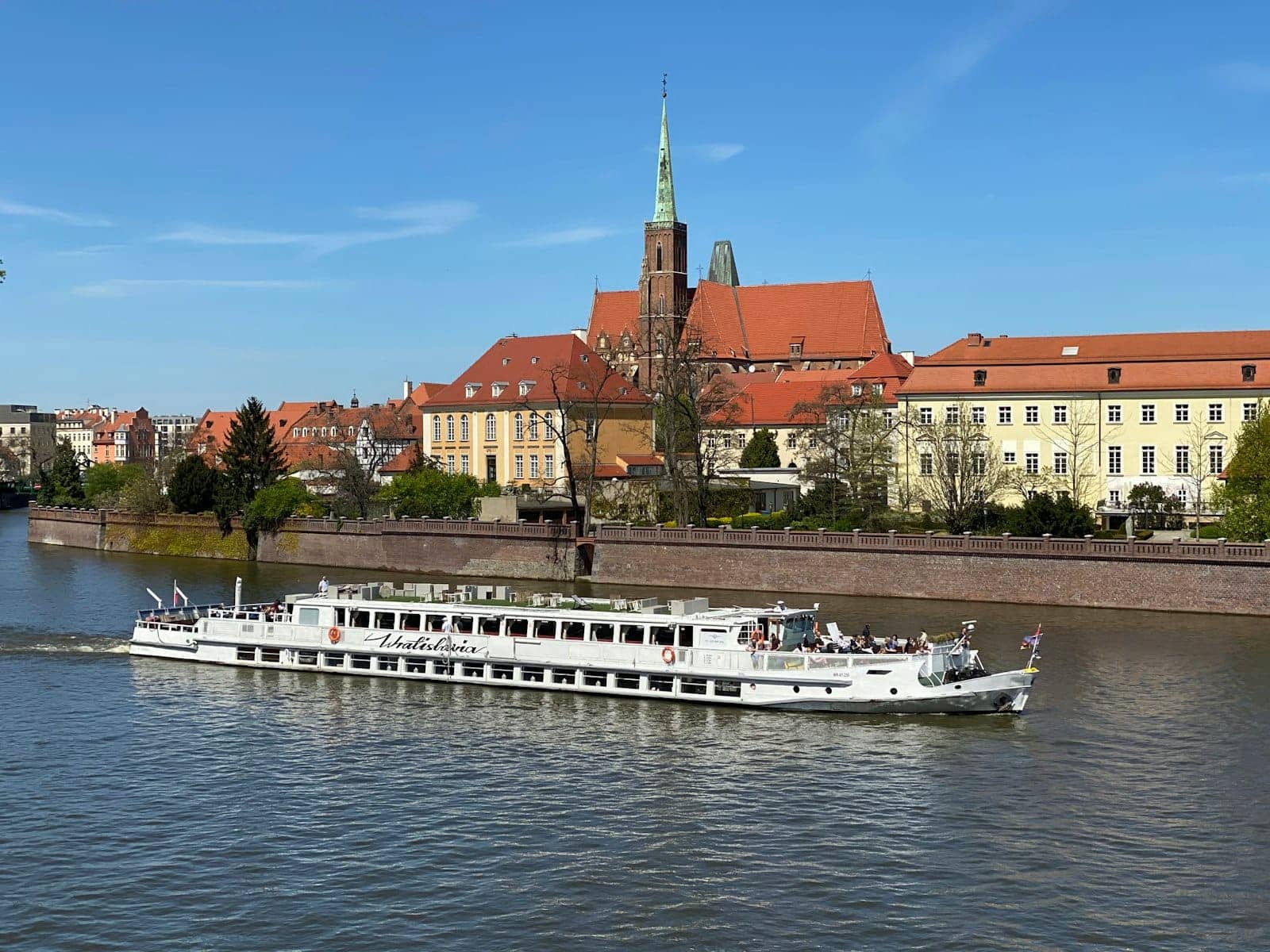
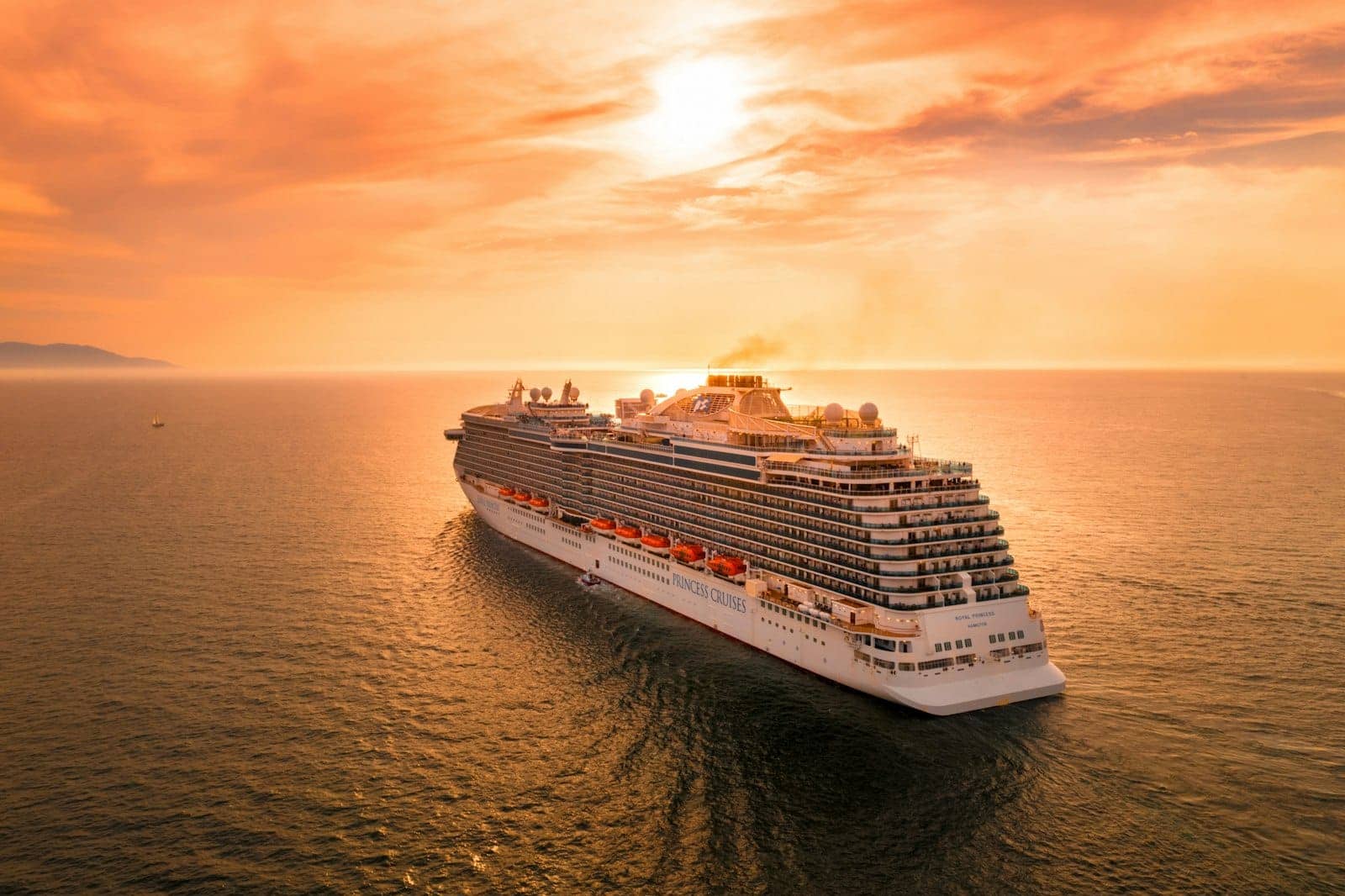
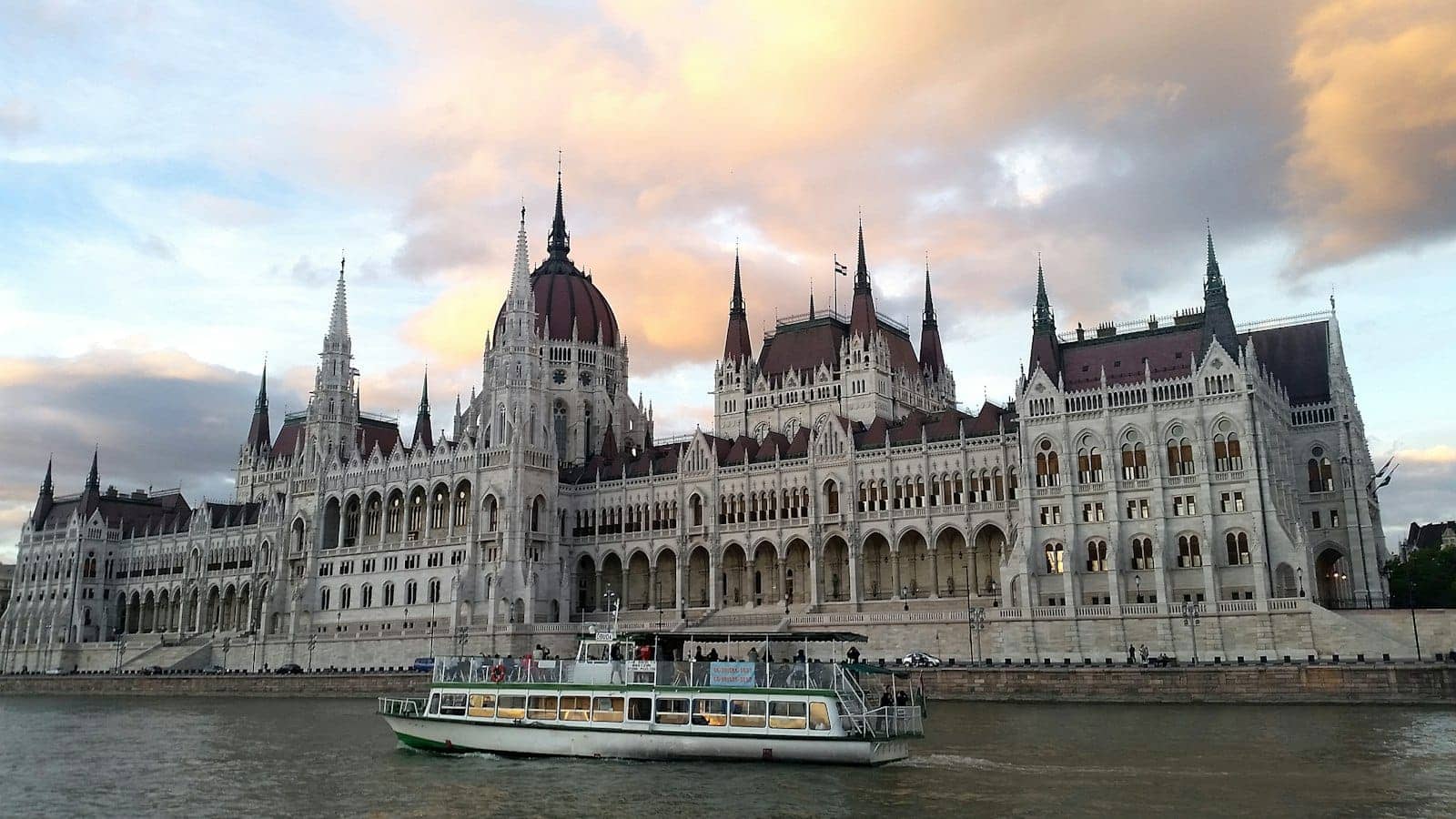
Ocean cruising can range from intimate vessels to large ships with extensive facilities. River cruising generally operates on a smaller scale and often centers the experience on the places along the route. Neither format automatically guarantees a particular service level or passenger atmosphere.
Decide whether the ship itself is a major part of the attraction or primarily a comfortable base for touring. That question often clarifies the choice more quickly than comparing destinations alone.
Compare a typical day
Look at walking expectations, guided excursions, independent time, and the pace of departures. River itineraries may involve regular town visits, while ocean itineraries can include more varied sea days and longer distances between ports. Read the actual schedule rather than relying on the category.
Cabin size, outdoor space, entertainment, and dining variety also deserve a direct comparison. A smaller ship may suit travelers who value simplicity, but the tradeoffs should be understood before booking.
Read how changes are handled
Different operating environments create different sources of disruption. River navigation can be affected by water conditions; ocean itineraries can also change for weather or operational reasons. Check the operator's terms and ask what support and alternatives are described.
Share your interests, mobility needs, past travel experience, and preferred pace with Shealey. Choose the format that fits the way you want to spend each day rather than treating one as a universally more sophisticated version of the other.
Put the decision into a real trip
A traveler imagining evenings in port and a small-ship routine may prefer a very different product from someone looking for large-scale entertainment and varied onboard activities. Compare specific itineraries because neither river nor ocean cruising describes one uniform experience. Walking demands, included excursions, and time ashore need individual attention.
A comparison you can take into planning
- Ship routine: Compare facilities, entertainment, dining choices, and passenger experience.
- Destinations: Look at actual docking locations and usable time ashore.
- Mobility: Ask about stairs, gangways, walking surfaces, and excursion alternatives.
- Inclusions: Match tours, beverages, gratuities, and transfers for the quoted product.
Turn the shortlist into a decision
Choose the desired daily rhythm first. Then review how water levels, weather, or operational changes can affect the itinerary under the operator’s terms. A smaller ship does not automatically mean an easier physical trip, and a larger ship does not automatically mean every activity is included.
Bring these questions to your trip-planning conversation. Include the people, dates, and priorities that change the answer for your trip.