FOLLOW YOUR CURIOSITY

Family & group notes

Plan travel for different ages, budgets, room needs, and energy levels, with practical ways to coordinate the group without overcomplicating the vacation.

Start with the right questions

Traveling together does not mean everyone needs the same day. The best starting point is a shared reason for the trip and a short list of moments you want to enjoy as a group. Then make room for different budgets, interests, and levels of energy.

Make informed comparisons

The articles below address room arrangements, school calendars, multigenerational needs, and group decision-making. They are designed to make the planning conversation clearer before accommodation and activities are booked.

Turn the notes into a plan

Choose a point person for larger groups and collect essential preferences privately where appropriate. Share the common priorities with Shealey, including any access or sleeping arrangements that cannot be left to a request. A little clarity early can prevent a lot of group-chat confusion later.

Start with the people, then choose the product

Ages, room arrangements, mobility, budgets, and the group’s daily rhythm shape a successful trip. Begin with the guides that address those constraints before comparing destinations. A resort or cruise can be a good fit for one family and an awkward fit for another with different needs.

Agree on a few shared priorities and leave optional time for smaller groups. Distinguish confirmed travelers from tentative interest, and keep payment responsibilities and supplier deadlines clear. The organizer should not have to guess what everyone can afford or whether a room request is essential.


Useful next decisions

FOLLOW YOUR CURIOSITY

Find your next chapter.

Twin beds in a bright room with a sea view

A LITTLE KNOW-HOW

Connecting rooms or a suite: compare the actual layout.

Understand the differences between connecting rooms, adjacent rooms, and suites so your family or group books a sleeping arrangement that genuinely works.

READ THE NOTES
Two fathers carrying children on shoulders on a mountain path

A LITTLE KNOW-HOW

Different budgets, one group trip: make the choices clear.

Coordinate a shared vacation without assuming everyone wants the same room, activities, or spending level, and identify the costs that must be agreed together.

READ THE NOTES
A family in silhouette holding hands against a warm orange sky by the sea

A LITTLE KNOW-HOW

Family resort or family cruise: which rhythm fits your crew?

Compare a resort stay and a cruise through room needs, activities, meals, travel logistics, and the balance between shared time and independent exploring.

READ THE NOTES
Group of surfers posing outside a surf shop

A LITTLE KNOW-HOW

Plan the friends’ trip that makes it out of the group chat.

Turn a friends’ getaway into a workable plan with shared priorities, clear budgets, room decisions, and enough flexibility for different travel styles.

READ THE NOTES
Hand checking off items on a to-do list

A LITTLE KNOW-HOW

A group trip checklist that keeps the decisions moving.

Use a clear sequence for group travel: purpose, travelers, budget, dates, rooms, bookings, arrival coordination, and the shared moments that matter.

READ THE NOTES
3 women and 2 men sitting on green grass field during daytime

A LITTLE KNOW-HOW

Plan a multigenerational trip everyone can enjoy.

Coordinate ages, room needs, mobility, budgets, and shared time so a multigenerational vacation feels connected without requiring everyone to follow one schedule.

READ THE NOTES
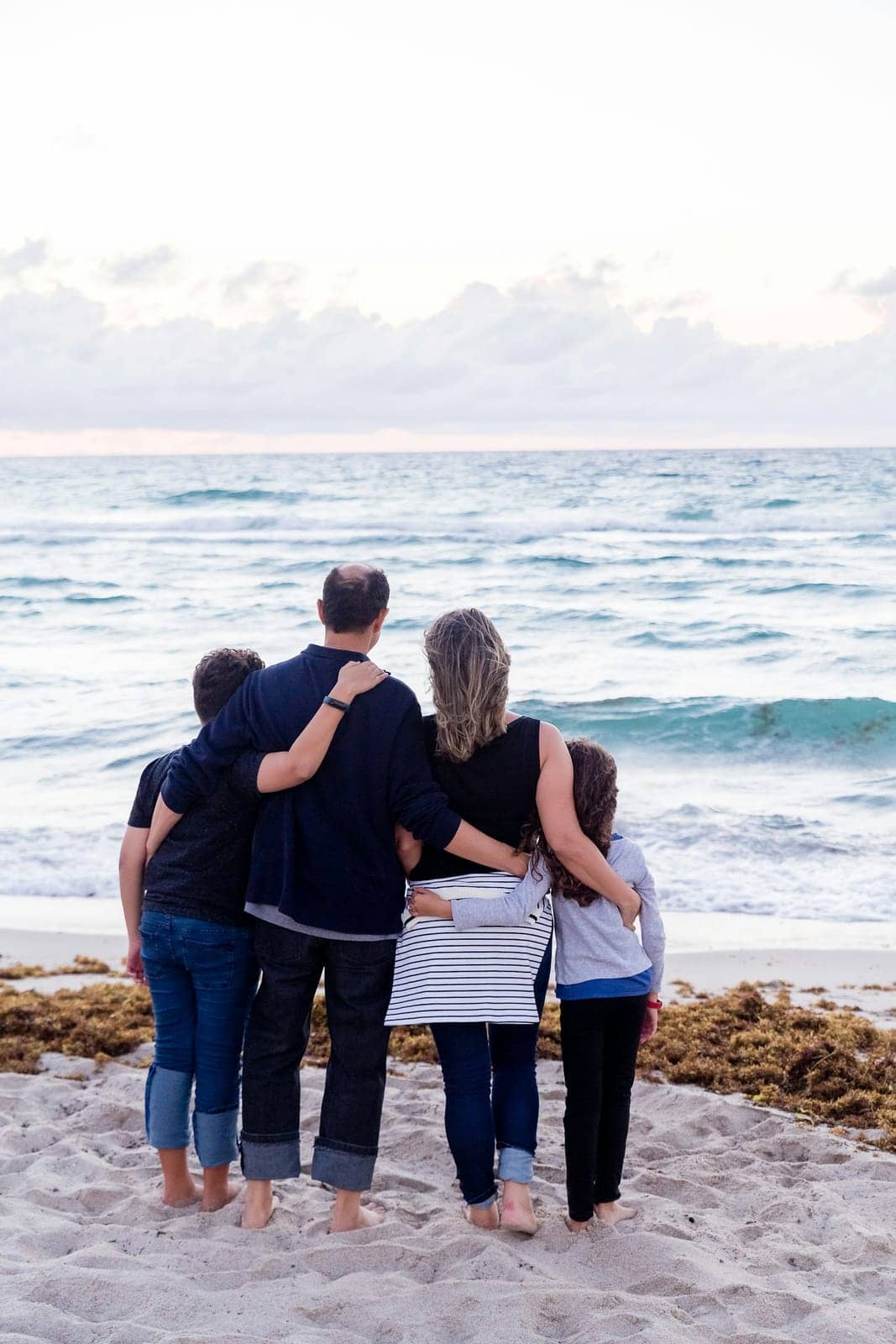
a family of four on a beach

A LITTLE KNOW-HOW

Plan a school-break vacation around the dates you really have.

Work with school calendars, flight days, accommodation needs, and recovery time to create a family trip that fits a fixed travel window.

READ THE NOTES
photo of mother and child beside body of water

A LITTLE KNOW-HOW

Planning for toddlers and teens: different needs, one family trip.

Choose accommodation, activities, room layouts, and daily pacing that fit the ages traveling now, including families with both younger children and teenagers.

READ THE NOTES